Performance marketing is entering a new era. In 2025, artificial intelligence is no longer a supporting feature—it is the engine driving how digital advertising works. From campaign setup to audience targeting and bid optimisation, AI is reshaping how brands run Google and Meta ads at scale.
Businesses that once relied on manual tweaks, frequent testing, and constant monitoring are now competing in an environment where AI in performance marketing determines efficiency, speed, and profitability. Understanding this shift is no longer optional—it’s essential for staying competitive.
This article explores how AI-powered automation is transforming Google Ads and Meta Ads in 2025, what marketers need to adapt to, and how businesses can leverage AI-driven strategies without losing control.
What Is AI in Performance Marketing?
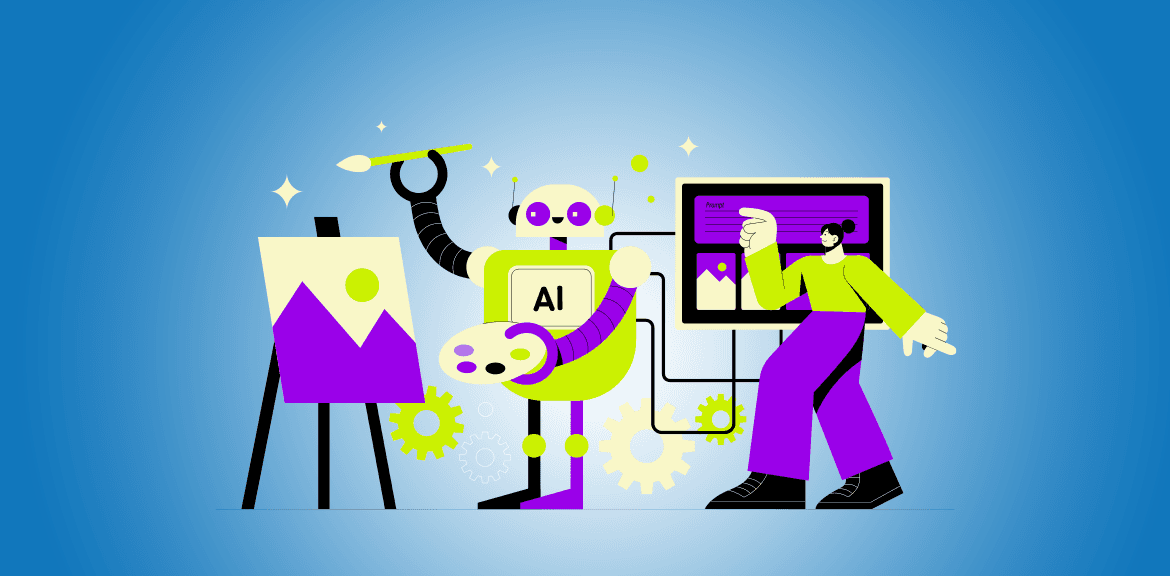
AI in performance marketing refers to the use of machine learning algorithms and automation systems to manage, optimise, and scale paid advertising campaigns across digital platforms.
Instead of relying purely on human decisions, AI systems analyse massive volumes of data—user behaviour, intent signals, device usage, time patterns, and conversion history—to make real-time decisions that improve campaign performance.
This evolution has given rise to AI-powered digital advertising, where platforms automatically determine:
Who should see your ads
When ads should appear
Which creative performs best
How much to bid for each impression
In 2025, AI doesn’t just assist marketers—it actively runs large parts of campaigns.
Why AI Became Central to Performance Marketing in 2025
Several factors accelerated the adoption of AI-driven advertising:
1. Rising Ad Costs
Manual optimisation struggles to keep pace with increasing CPCs and competition. AI helps improve efficiency by allocating budgets where conversions are most likely.
2. Privacy Changes
With limited third-party data, platforms rely more heavily on AI models trained on first-party and behavioural signals.
3. Cross-Platform Complexity
Managing campaigns across Google Search, Display, YouTube, Meta Feed, Reels, and Stories requires automation to maintain consistency and performance.
4. Speed of Decision-Making
AI systems can evaluate thousands of variables in milliseconds—far beyond human capability.
AI-Powered Digital Advertising on Google
Ads in 2025Google Ads has evolved into an AI-first platform. Manual control still exists, but the best-performing campaigns now rely heavily on automation.
Smart Bidding and Automated Ad Bidding Strategies
One of the most impactful changes is the dominance of automated ad bidding strategies. AI-driven bidding adjusts bids in real time based on:
Search intent
Device type
Location
Time of day
Likelihood of conversion
Popular automated strategies include:
Target CPA
Target ROAS
Maximise Conversions
Value-Based Bidding
In 2025, these systems are more accurate because they continuously learn from live data and historical performance.
Performance Max and AI Campaign Structures
Performance Max campaigns use AI to:
Combine multiple ad formats into a single campaign
Automatically distribute budgets across channels
Identify top-performing creatives and audiences
This approach reduces fragmentation while allowing AI to optimise holistically rather than channel by channel.
AI Optimization for Meta Ads in 2025
Meta’s advertising ecosystem has undergone a similar transformation. Campaigns now depend more on AI than manual targeting or creative selection.
Smart Ad Targeting Using AI
Traditional interest-based targeting has been largely replaced by smart ad targeting using AI. Meta’s algorithms analyse:
User behaviour
Engagement patterns
Content consumption
Purchase intent
Instead of telling Meta who to target, advertisers now focus on:
Supplying quality creatives
Providing accurate conversion data
Allowing AI to identify high-intent users
AI Optimization for Meta Ads: What’s Changed
AI optimisation for Meta ads now includes:
Automated audience expansion
Dynamic creative combinations
Real-time placement selection
Predictive conversion modelling
Advantage+ Shopping and Advantage+ App campaigns are clear examples of Meta’s AI-first direction, where the system handles most optimisations automatically.
How Automation Is Changing Campaign Management
AI-driven automation has fundamentally altered the role of performance marketers.
From Operators to Strategists
Marketers are no longer required to manually adjust bids or audiences daily. Instead, they focus on:
Strategy
Funnel alignment
Creative direction
Data interpretation
Reduced Manual Testing
AI systems now test variations continuously, reducing the need for constant A/B testing setups.
Creative Becomes the New Lever
In 2025, creative quality is the primary variable humans control. AI decides delivery, but humans decide messaging.
Benefits of AI in Performance Marketing
1. Improved Efficiency
AI eliminates wasted spend by allocating budgets to high-performing segments.
2. Faster Learning Cycles
Campaigns adapt quickly to changes in user behaviour.
3. Better Scalability
AI-powered digital advertising allows businesses to scale without proportional increases in management effort.
4. Data-Driven Decisions
Optimisation is based on patterns, not assumptions.
Challenges and Limitations of AI Automation
Despite its advantages, AI is not without challenges.
Reduced Transparency
AI systems often operate as black boxes, making it harder to understand why certain decisions are made.
Over-Reliance on Automation
Blindly trusting AI without monitoring can lead to inefficiencies or misaligned goals.
Creative Fatigue Risks
If creatives are not refreshed, even the best AI optimisation will plateau.
Learning Phase Volatility
AI campaigns require stable data and patience during learning periods.
Best Practices for Using AI in Performance Marketing
To succeed in 2025, businesses must work with AI, not against it.
1. Feed AI Quality Data
Use accurate conversion tracking
Implement server-side tracking where possible
2. Focus on Creative Strategy
Develop strong hooks, visuals, and messaging
Test creative formats, not audiences
3. Set Clear Goals
AI performs best when objectives are well-defined (CPA, ROAS, lifetime value).
4. Monitor, Don’t Micromanage
Allow AI time to learn while tracking performance trends.
The Future of AI-Powered Performance Marketing
As AI continues to evolve, performance marketing will become:
More predictive
More personalised
More outcome-driven
Human expertise will shift toward:
Strategic planning
Brand storytelling
Cross-channel integration
AI will handle execution, but humans will guide direction.
Conclusion: Embracing AI Without Losing Control
In 2025, AI in performance marketing is not about replacing marketers—it’s about empowering them. Google and Meta ads are now driven by systems that learn faster, optimise better, and scale smarter than manual processes ever could.
Businesses that understand AI-powered digital advertising, leverage automated ad bidding strategies, apply AI optimisation for Meta ads, and embrace smart ad targeting using AI will gain a clear competitive advantage.
The key lies in balance: combining automation with strategic oversight, creative excellence, and informed decision-making.
FAQs
1. What is AI in performance marketing?
AI in performance marketing uses machine learning and automation to optimise ad targeting, bidding, creatives, and budgets across platforms like Google and Meta.
2. How does AI-powered digital advertising work in 2025?
AI-powered digital advertising analyses user behaviour, intent signals, and conversion data to automatically deliver ads to the most relevant audiences in real time.
3. How does AI optimisation improve Meta ads performance?
AI optimisation for Meta ads improves results by automating audience expansion, creative testing, placement selection, and budget allocation based on performance data.
4. What are automated ad bidding strategies in Google Ads?
Automated ad bidding strategies use AI to adjust bids dynamically based on the likelihood of conversions, helping advertisers achieve better CPA or ROAS.
5. Is smart ad targeting using AI better than manual targeting?
Yes, smart ad targeting using AI is more effective in 2025 because it adapts quickly to user behaviour and works well despite privacy and data limitations.
Reviewed by: TechInfinity Content Team
Last Updated:
This article follows our Editorial Policy and Content Review Process to ensure accuracy and relevance.