The SEO Landscape Has Fundamentally Changed
Not long ago, ranking on Google meant targeting the right keywords, building backlinks, and ensuring your website loaded fast. That formula still matters, but it is no longer enough.
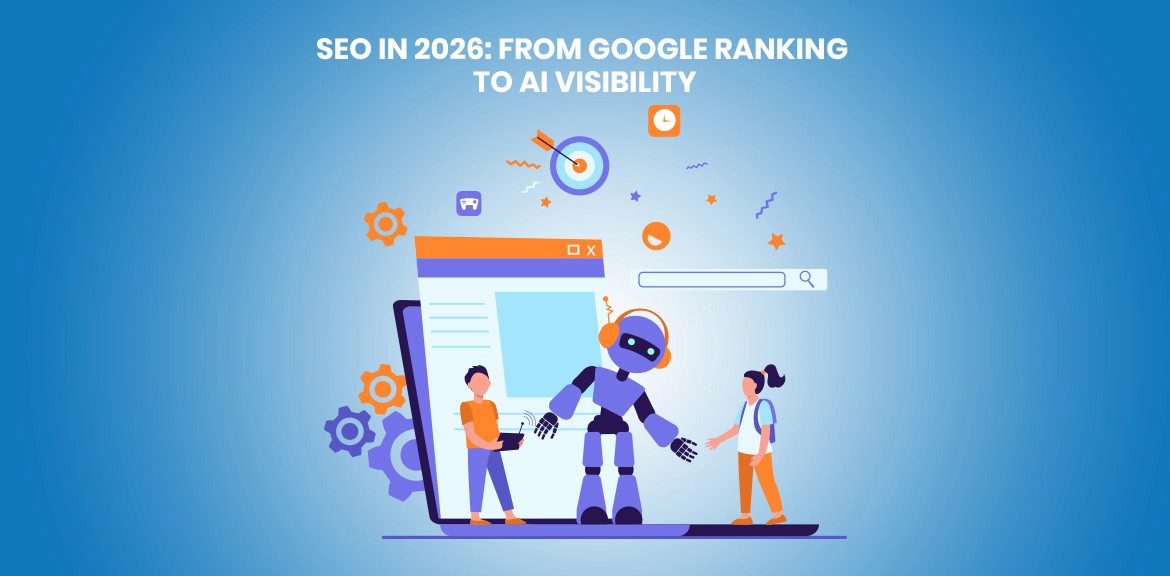
In 2026, search engine optimization for AI has become just as critical as traditional SEO. Users are increasingly getting answers from AI-powered tools like Google's AI Overviews, ChatGPT Search, and Perplexity often without ever clicking a link. This shift is reshaping how businesses think about digital visibility.
If your brand is not optimised for AI-driven search, you are already falling behind. The good news? There is still time to adapt.
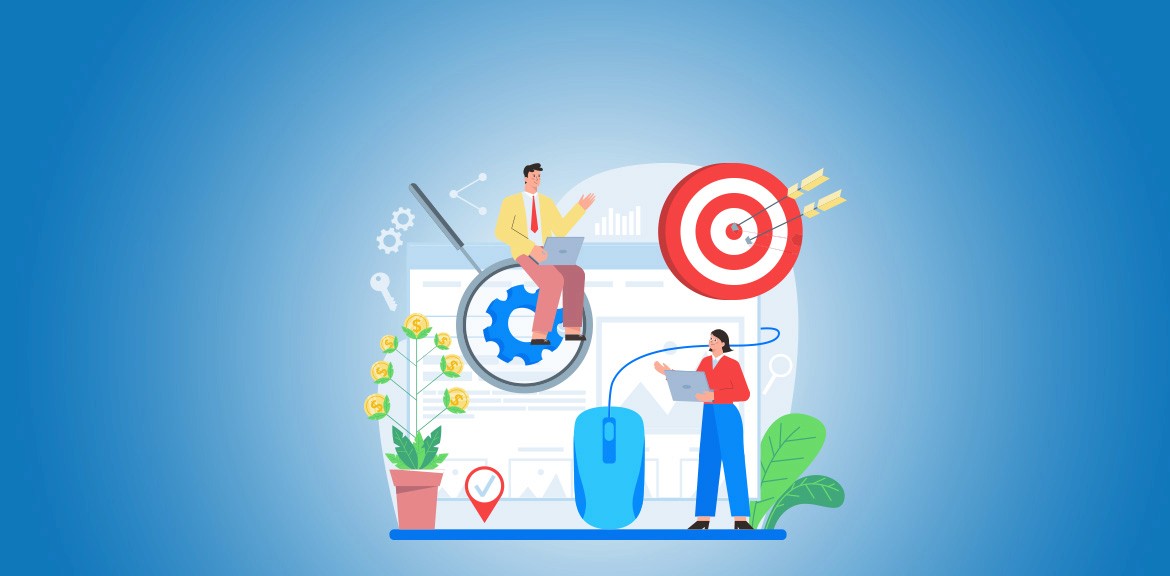
What's Actually Driving SEO in 2026?
Google Ranking Factors 2026 What Still Works
Google has not abandoned its core principles. Quality content, authoritative backlinks, technical performance, and user experience remain foundational. However, the weight of certain signals has shifted considerably.
The most significant Google ranking factors in 2026 include:
E-E-A-T (Experience, Expertise, Authoritativeness, Trustworthiness): Google now prioritises first-hand experience more than ever. Content written by credible industry experts, especially in sensitive sectors like healthcare and customised medications, is evaluated more rigorously.
Core Web Vitals: Page speed, interactivity, and visual stability continue to influence rankings directly.
Structured data and schema markup: These help search engines understand your content context more precisely.
User engagement signals: Dwell time, scroll depth, and return visits all send quality signals to Google's algorithm.
For businesses in specialised sectors like compounding pharmacies or customised medication providers, demonstrating genuine expertise through content is not optional; it is essential.
How AI Is Changing SEO The Shift You Cannot Ignore
Understanding how AI is changing SEO is now a business imperative. Traditionally, SEO was about getting your page to rank in a list of ten blue links. Today, AI-powered search features are summarising answers directly on the results page, sometimes bypassing traditional rankings entirely.
Here is what this means in practice:
AI Overviews and zero-click searches are reducing organic traffic for some query types. If Google's AI answers a question without linking to your site, your page ranking may deliver fewer visits than it once did.
Conversational search queries are increasing. People ask AI engines questions in natural language – "What is the difference between compounded and standard medications?" – rather than typing isolated keywords. Your content must address these intent-rich questions clearly and thoroughly.
AI-generated summaries favour authoritative, well-structured content. Pages with clear headings, factual accuracy, and cited sources are more likely to be pulled into AI responses.
The shift is significant, but it is also an opportunity if you know how to position your content correctly.
Understanding AI SEO Optimization
What Does AI SEO Optimization Actually Mean?
AI SEO optimization refers to the practice of structuring your digital content so that AI-powered systems, not just traditional search algorithms can understand, trust, and feature it.
This involves several targeted strategies:
1. Write for intent, not just keywords.
AI engines are sophisticated enough to understand the purpose behind a search query. Your content should answer specific questions comprehensively, not just include keyword phrases repeatedly.
2. Use clear, structured formatting.
Headings, bullet points, numbered lists, and FAQs make it easier for AI systems to extract relevant passages. Well-organised content has a higher chance of appearing in AI-generated summaries.
3. Build topical authority.
Rather than writing isolated blog posts, create content clusters around a central topic. For example, a customised medication provider might build an interconnected library covering compounding processes, regulatory compliance, patient safety, and medication personalisation.
4. Prioritise factual accuracy and citations.
AI systems are trained to favour credible, verifiable information. Linking to reputable sources and citing evidence within your content increases its perceived trustworthiness.
5. Optimise for voice and conversational search.
Many AI-driven queries are phrased as questions or complete sentences. Incorporate natural, question-based language into your content to align with how people actually search.
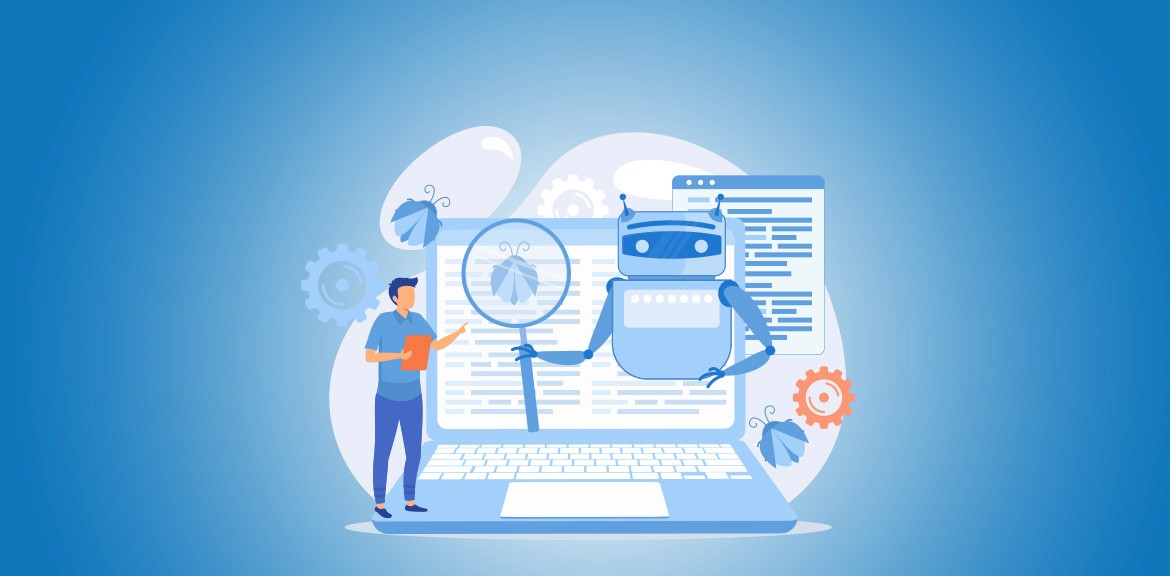
AI Visibility in Search Engines - The New Frontier
What Is AI Visibility and Why Does It Matter?
'AI visibility in search engines' refers to how prominently your brand or content appears within AI-generated results — including AI Overviews, AI chatbot responses, and AI-powered recommendation engines.
Unlike traditional rankings, AI visibility is not simply about page position. It is about whether your content is chosen as a reliable source when an AI system constructs an answer.
For businesses operating in regulated or trust-sensitive sectors – such as customised medication providers – AI visibility can directly influence patient and customer trust. When a prospective customer asks an AI tool about compounded medications and your content is cited as a source, the credibility impact is immense.
Building AI visibility requires:
Consistent, authoritative content across your website and digital channels
A strong technical SEO foundation (clean site architecture, fast load times, proper indexing)
Regular content updates that reflect current industry developments
Active brand mentions and third-party validation from respected industry sources
FAQs: SEO and AI Visibility in 2026
Q1: Is traditional SEO still relevant in 2026 ?
Yes, absolutely. Core SEO practices quality content, backlink authority, technical optimisation, and user experience remain foundational. However, they must now be combined with strategies that address AI-driven search environments.
Q2: What is the difference between traditional SEO and AI SEO optimization?
Traditional SEO focuses on ranking web pages in search engine results. AI SEO optimization goes further, ensuring your content is structured, authoritative, and context-rich enough to be selected and featured by AI-powered systems like Google's AI Overviews.
Q3: How can small businesses improve their AI visibility in search engines?
Small businesses can build AI visibility by focusing on niche topical authority, using structured content formats (FAQs, how-to guides, clear headings), ensuring technical SEO is sound, and collecting positive reviews and third-party mentions that signal credibility.
Q4: Does AI search mean fewer website visitors?
Not necessarily. While zero-click searches may reduce visits for simple informational queries, well-optimised content that earns AI citations can actually drive more qualified traffic. Users who click through from an AI summary already trust your brand.
Q5: How is AI changing SEO for regulated industries like healthcare or pharmacy?
In regulated sectors, AI systems apply greater scrutiny to E-E-A-T signals. Content must demonstrate genuine expertise, cite credible sources, and reflect current regulatory standards. This is particularly important for customised medication providers, where patient safety and trust are paramount.
Q6: How quickly should businesses adapt to AI-driven search trends?
Immediately. The businesses gaining AI visibility today are establishing the authority signals that will compound in value over time. Waiting means ceding ground to competitors who are already optimising for this environment.
The Bottom Line: Evolve or Get Left Behind
The rules of digital visibility have changed. Search engine optimization for AI is no longer a future consideration it is a present-day necessity. Businesses that understand Google ranking factors in 2026, embrace AI SEO optimization, and actively build their AI visibility in search engines will be the ones that capture trust, traffic, and conversions in this new era.
For specialised sectors like customised medications, where credibility and expertise are everything, the opportunity to stand out through smart, authoritative content has never been greater. The question is: are you positioned to take it?
Ready to Future-Proof Your Digital Presence?
At Techinfinity, we specialise in helping businesses navigate the evolving world of SEO from traditional Google rankings to cutting-edge AI visibility strategies. Whether you are in the healthcare space, customised medications, or any competitive industry, our team builds content and SEO frameworks designed for 2026 and beyond.
Reviewed by: TechInfinity Content Team
Last Updated:
This article follows our Editorial Policy and Content Review Process to ensure accuracy and relevance.