Marketing has always moved fast, but 2026 feels different. Brands now plan campaigns around AI tools as naturally as they once planned around a festival calendar. From Ganesh Chaturthi reels to Diwali sale banners, every campaign today runs through some layer of automation before it reaches the audience.
This shift is exactly why the future of creative marketing matters so much right now. Businesses that blend AI capability with genuine human imagination are the ones winning attention, trust, and sales. This blog breaks down where creative marketing is headed, what tools are driving it, and how brands can stay relevant without losing their voice.
Why AI Is Reshaping Creative Marketing
AI creative marketing is no longer a buzzword. It is the backbone of how modern agencies plan, produce, and personalize content.
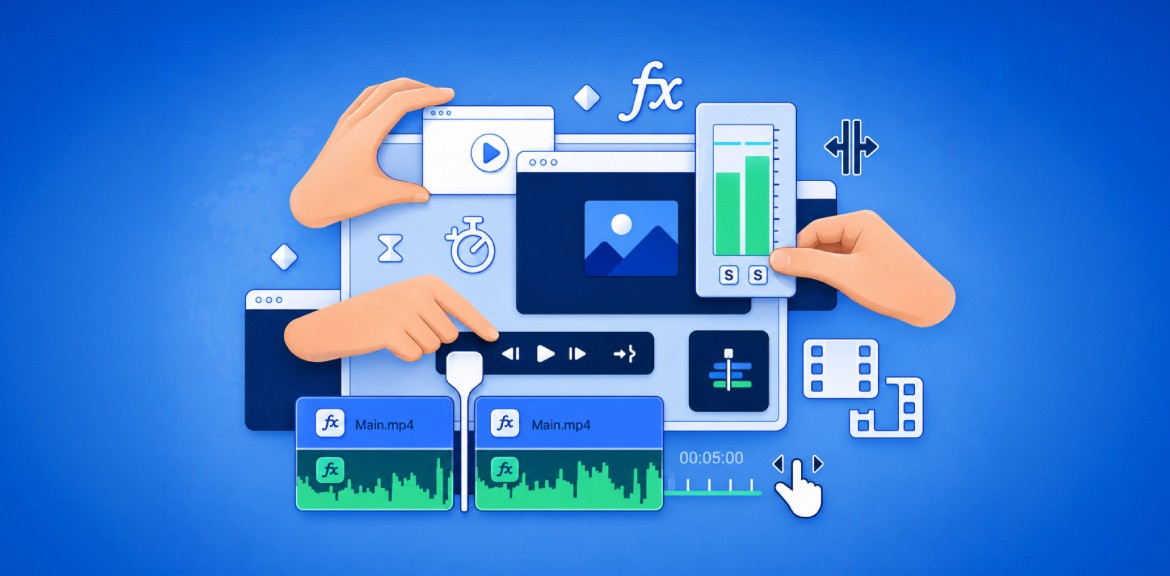
AI tools now help teams draft ad copy, generate design variations, and predict which festival campaign angle will perform best. Instead of replacing creative teams, AI gives them a faster starting point. Strategists spend less time on repetitive tasks and more time refining ideas that actually connect with people.
How Brands Are Using AI Today
Generating quick creative drafts for seasonal campaigns
Predicting audience response before a festival sale goes live
Personalizing product recommendations at scale
Automating A/B testing across multiple ad sets
This is a major reason why AI in advertising has grown from an experiment into a standard practice across Mumbai's creative agencies and beyond.
Marketing Automation Trends Shaping 2026
Automation has moved past simple email sequences. Today, it touches nearly every stage of a customer's journey.
The biggest marketing automation trends this year include AI-driven audience segmentation, automated content scheduling across platforms, and real-time performance dashboards that adjust budgets on their own. Brands running Diwali or New Year campaigns no longer wait for weekly reports. Automated systems flag underperforming ads within hours, allowing teams to pivot quickly.
Key Automation Shifts Worth Watching
Predictive budgeting that shifts ad spend toward top-performing creatives automatically
Dynamic creative optimization that swaps visuals based on user behaviour
Chat-based automation that qualifies leads before a human ever steps in
These shifts free up teams to focus on strategy rather than manual monitoring, which is exactly where human creativity should live.
AI in Advertising: Precision Without Losing Personality
Advertising has always balanced data with emotion. AI now handles the data side with remarkable precision, forecasting which audience segment responds best to a particular tone, color palette, or festival theme.
However, precision alone does not build brand loyalty. A well-targeted ad still needs a story that feels human. This is where creative direction becomes irreplaceable. Agencies that pair AI insights with strong storytelling consistently outperform those relying on automation alone.
Techinfinity's own experience with campaigns for brands like Godrej and MG shows this balance clearly. Data guided the targeting, but the storytelling and visual craft came from human strategists who understood the brand's identity.
Digital Marketing Trends 2026: What's Actually Changing
Several digital marketing trends 2026 are worth tracking closely this year:
AI-generated video content is becoming mainstream for short-form platforms
Voice and visual search are influencing how brands structure content
First-party data is replacing third-party cookies as the primary targeting method
Hyper-personalization is expected by default, not offered as a bonus
Brands that ignore these shifts risk falling behind competitors who already treat AI and automation as core infrastructure rather than optional add-ons.
Where Human Creativity Still Wins
AI can generate a hundred design variations in minutes, but it cannot understand why a Ganesh Chaturthi campaign needs warmth, or why a Diwali ad should feel like homecoming rather than just a sale. That emotional read comes from human experience.
The strongest creative marketing strategies treat AI as a collaborator, not a replacement. Teams use automation to handle scale and speed, while human strategists shape the narrative, tone, and cultural nuance that make a campaign memorable.
If you're exploring how branding and visual design can work alongside AI tools, pairing strong creative direction with smart automation consistently delivers better results than either approach alone.

Building a Balanced Creative Marketing Strategy
To stay ahead in this evolving space, brands should focus on three areas:
Adopt AI tools gradually. Start with content drafting or performance analysis before moving into full automation.
Keep human oversight on brand voice. Automated content should always pass through a human review for tone and accuracy.
Invest in performance marketing. Combining AI-driven performance marketing with creative storytelling improves both reach and conversion.
Agencies that manage this balance well are already seeing stronger engagement, as detailed in this piece on how AI is transforming creative and marketing agencies in Mumbai.
Frequently Asked Questions
1. What is AI creative marketing?
AI creative marketing refers to using artificial intelligence tools to assist with content creation, audience targeting, and campaign optimization while human teams guide strategy and storytelling.
2. Will AI replace human creativity in marketing?
No. AI handles repetitive and data-heavy tasks, but human creativity remains essential for storytelling, cultural context, and brand voice.
3. What are the top marketing automation trends for 2026?
Predictive budgeting, dynamic creative optimization, and chat-based lead qualification are among the most significant marketing automation trends this year.
4. How is AI changing advertising specifically?
AI in advertising improves targeting accuracy, automates testing, and predicts audience response, allowing brands to launch more effective campaigns faster.
5. How can a business start using AI in its marketing strategy?
Start small. Use AI for content drafts or data analysis, then gradually expand into automation while keeping human review in place for brand consistency.
Final Thoughts
The future of creative marketing belongs to brands that treat AI as a tool for speed and human creativity as the source of meaning. Automation will keep advancing, but the campaigns people remember will always carry a human touch.
If you want a team that blends AI-driven precision with genuine creative storytelling, Techinfinity can help you build campaigns that perform and resonate. Contact Techinfinity today to start planning your next campaign the smart way.
Reviewed by: TechInfinity Content Team
Last Updated:
This article follows our Editorial Policy and Content Review Process to ensure accuracy and relevance.