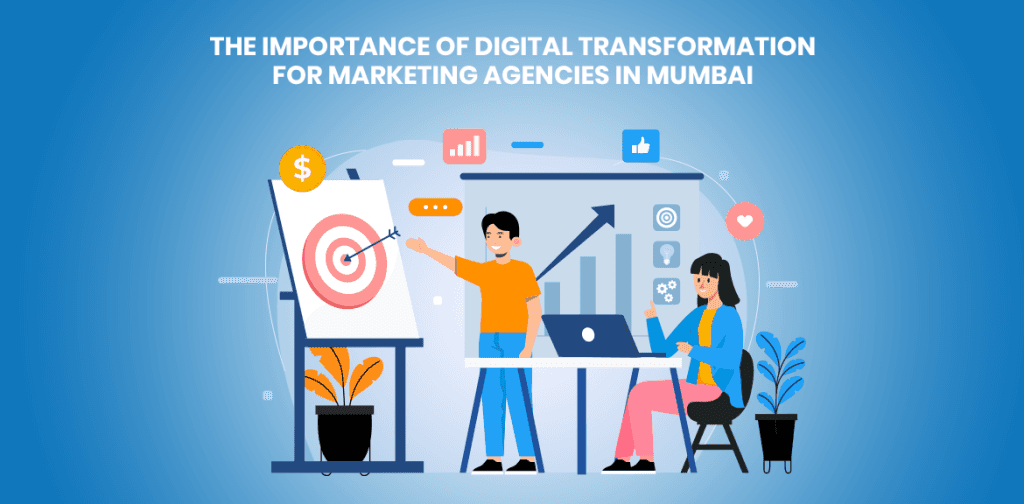
In today’s rapidly evolving business environment, digital transformation is no longer a choice—it’s a necessity. For marketing agencies in Mumbai, one of India’s most competitive business hubs, embracing digital innovation has become critical to staying ahead. From artificial intelligence and automation to data-driven decision-making and changing consumer behaviors, digital transformation is reshaping how agencies deliver value, creativity, and measurable outcomes.
Below, we explore how technology is driving this change, the key tools agencies should adopt, and how embracing digital transformation is defining the future of marketing in Mumbai.
How Digital Transformation is Shaping the Future of Marketing Agencies
The marketing landscape in Mumbai has always been dynamic, but the last few years have seen an unprecedented shift. Traditional media strategies have given way to digital-first campaigns, powered by data, analytics, and automation.
Digital transformation in marketing agencies refers to the integration of modern technologies into all aspects of operations—from campaign planning and execution to reporting and client communication. It allows agencies to:
Optimize marketing performance with real-time insights
Deliver personalized content to targeted audiences
Automate repetitive tasks for faster execution
Improve client transparency and ROI tracking
Agencies that invest in digital infrastructure are seeing stronger client retention, better cross-channel engagement, and a measurable lift in performance. In Mumbai, where brands compete for both attention and loyalty, digital transformation has become the foundation of growth.

Integrating AI and Automation for Better Client Outcomes
Artificial Intelligence (AI) and automation are revolutionizing the digital marketing landscape. From content generation to predictive analytics, these technologies are enabling marketing agencies in Mumbai to scale faster and deliver smarter campaigns.
AI tools help marketers understand patterns in large datasets, forecast trends, and optimize ad performance automatically. Automation, on the other hand, reduces manual workload—freeing up teams to focus on creativity and strategy.
Key applications include:
Programmatic Advertising: Automated ad buying ensures that brands reach the right audience at the right time.
Chatbots and Customer Support: AI-powered chatbots enhance engagement, offering instant responses and personalized recommendations.
Email and Campaign Automation: Tools like HubSpot, ActiveCampaign, and Mailchimp help automate workflows while maintaining personal touchpoints.
Predictive Analytics: AI models forecast which campaigns or creatives are likely to succeed based on historical data.
For Mumbai-based agencies handling multiple clients across industries, AI and automation improve not just efficiency—but also client satisfaction through better, faster results.

The Role of Data and Analytics in Modern Marketing Campaigns
In the digital age, data is the new creative direction. Successful marketing campaigns are no longer driven by intuition alone but by data analytics—offering insights into what works, what doesn’t, and why.
For marketing agencies in Mumbai, where markets are diverse and consumer behavior varies across regions, data analytics provides the clarity needed to make informed decisions. Using tools like Google Analytics, SEMrush, Tableau, and Power BI, agencies can measure every click, conversion, and engagement metric in real time.
Benefits of data-driven marketing include:
Precision targeting for ads and content
In-depth audience segmentation to personalize messages
Performance optimization through A/B testing
ROI measurement for campaigns and client reporting
By combining data analytics with creative strategy, agencies can bridge the gap between brand storytelling and measurable success—a balance that defines modern marketing excellence.

Adapting to Changing Consumer Behavior in the Digital Age
Consumers today are more informed, connected, and selective than ever before. With smartphones in every hand and social media shaping opinions, consumer behavior in the digital age has changed how marketing agencies operate.
Modern consumers expect personalization, transparency, and speed. They engage with brands that align with their values and deliver seamless digital experiences. For agencies, this means shifting from one-size-fits-all marketing to micro-targeted, personalized campaigns.
Strategies to adapt include:
Leveraging social listening tools to understand trends and sentiment
Using AI-powered CRM systems to personalize engagement
Building omnichannel marketing strategies for consistency across touchpoints
Creating authentic, story-led content that resonates emotionally
In Mumbai’s competitive market, where consumers are exposed to countless messages daily, understanding behavior patterns through data is the key to capturing attention and building long-term loyalty.
Key Technologies Every Marketing Agency in Mumbai Should Embrace
The success of digital transformation lies in adopting the right marketing technologies (MarTech). From analytics platforms to creative automation tools, these technologies enable agencies to work smarter and deliver superior client outcomes.
Must-have marketing technologies:
Customer Relationship Management (CRM): Tools like Salesforce or Zoho CRM help manage leads and client communications efficiently.
Marketing Automation Platforms: HubSpot, Marketo, and ActiveCampaign streamline email marketing, lead nurturing, and campaign workflows.
Data Analytics Tools: Google Analytics 4, Tableau, and Looker Studio provide actionable insights for optimization.
AI-Powered Tools: ChatGPT, Jasper, and Canva’s AI Suite help automate content generation and design.
Project Management Software: Trello, Asana, and Monday.com enhance collaboration and delivery timelines.
By integrating these tools, agencies can improve productivity, transparency, and ROI—ensuring sustainable growth in a tech-driven market.
Conclusion
Digital transformation has redefined what it means to be a marketing agency in Mumbai. It’s not just about adopting tools—it’s about reimagining strategy, creativity, and client relationships in a connected world.
Agencies that embrace AI, data analytics, and automation are not just keeping pace with change—they’re leading it. As consumer expectations evolve, and as competition intensifies, digital transformation will remain the cornerstone of innovation, efficiency, and long-term success for every forward-thinking marketing agency in Mumbai.
Frequently Asked Questions (FAQs)
What is digital transformation in marketing agencies?
Digital transformation in marketing agencies refers to adopting modern technologies like AI, automation, data analytics, and CRM systems to enhance marketing operations, client engagement, and performance.How does AI impact digital marketing agencies in Mumbai?
AI enables better targeting, automates repetitive tasks, predicts trends, and improves campaign performance—allowing agencies to deliver faster and more accurate results for clients.Why is data analytics important in modern marketing campaigns?
Data analytics helps agencies make informed decisions by analyzing customer behavior, campaign performance, and ROI, ensuring every marketing rupee is spent effectively.How are consumer behaviors changing in the digital age?
Consumers now prefer personalized, transparent, and seamless digital experiences across platforms, making data-driven and emotionally engaging marketing essential.What technologies should marketing agencies in Mumbai adopt?
Key technologies include CRM platforms, automation tools, AI content systems, analytics dashboards, and project management tools for better collaboration and client success.
Reviewed by: TechInfinity Content Team
Last Updated:
This article follows our Editorial Policy and Content Review Process to ensure accuracy and relevance.