Performance marketing is a form of digital advertising in which brands only pay for marketing efforts when they reach their desired business objectives or a specific action is taken, like a click, sale, or lead. It is a results-oriented marketing approach.
Advertisers partner with agencies or publishers to create and publish advertisements on various performance marketing channels, including social media, search engines, videos, and web content. however, these advertisers pay for the ad based on its performance, typically measured through clicks, impressions, shares, or sales, rather than a traditional payment model.
Types of performance marketing
Pay-per-click (PPC) advertising
Online advertising that targets specific audiences and tracks the success of ads in real time is called performance marketing. This type of advertising can be placed on search engines, websites, and social media platforms.
Pay-per-click (PPC) advertising is a popular method of performance marketing that helps businesses bring traffic to their websites and generate leads or sales. Moreover, some of the most widely used PPC platforms include Google AdWords, Bing Ads, and Facebook.
Affiliate marketing
A company pays third-party publishers (affiliates) to generate traffic or leads to its products and services in affiliate marketing. Affiliates are compensated for promoting the company through commission fees.
With the advancement of digital marketing, analytics, and cookies, this marketing model has grown into a multibillion-dollar industry. Furthermore, Affiliates can be compensated based on sales, clicks, or impressions. Affiliate marketing is classified into three types: unattached, involved, and related.
Email marketing
Email marketing uses email to promote a business's products and services and incentivize customer loyalty. It can make customers on an email list aware of new products, discounts, and other services. It can also educate the audience on the brand's value or keep them engaged between purchases.
Email marketing is a form of direct and digital marketing that uses email to promote a business. However, It can be integrated into marketing automation efforts and play a role in lead generation, brand awareness, and building relationships with customers. In addition, different types of marketing emails can be used to keep customers engaged between purchases.
Social media marketing
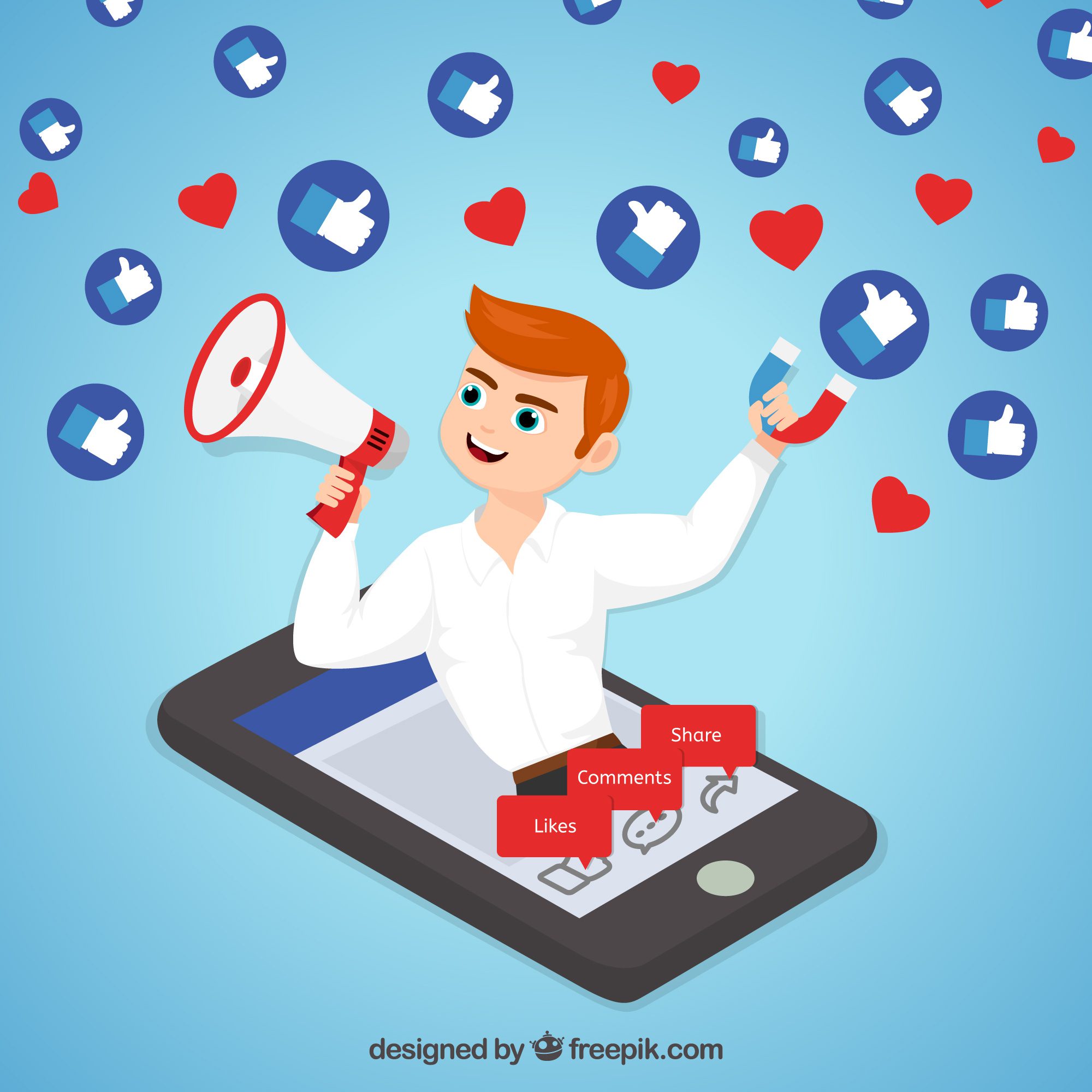
Social media marketing (SMM) is a way for businesses to connect with their customers and reach new ones through social media platforms such as Facebook, Twitter, and Instagram. It helps to build brand awareness, increase sales, and drive traffic to a website.
SMM also includes analytics tools to measure the success of campaigns and identify opportunities to engage with the target audience. Besides One of the key advantages of SMM is its ability to create connections, interact with customers, and gather data through social media platforms.
Influencer marketing
Brands use influencer marketing to pay influencers to promote their products or services to their followers. These influencers, which can be celebrities or niche social media content creators, can influence others through their social media platforms.
Influencer marketing has evolved from traditional celebrity endorsements to focus on smaller accounts with highly engaged social media followers. In Addition, Influencer marketing entails hiring a social media influencer to promote your brand through their platform influence.
The Most Common Type of Performance Marketing
Performance marketing, of which PPC is the most popular, entails businesses paying for online ads to appear in search results or on other websites. These ads target users looking for specific keywords or phrases related to the advertised products or services.
How PPC Works:
PPC advertising works by having businesses create ads and select relevant keywords or phrases to target. These ads are then shown to users who search for those keywords or phrases. Finally, users who click on the ad are taken to the business's website. The industry is then charged a fee, typically a small amount, for the click.
Advantages of PPC advertising:
Cost-effective: only pay when a user clicks on the ad and visits the website
Targeted: businesses can choose their audience based on demographics such as location, language, and device
Measurable: campaigns can be set up to track return on investment
Customizable: businesses can make small changes to improve campaigns based on what works best
Training resources available to help companies to learn how to run effective campaigns
Fast: impact of PPC efforts is almost immediate
Disadvantages of PPC advertising:
Time and skills required to set up and optimize campaigns
Costs can quickly add up if campaigns are not monitored and optimized for maximum return on investment.
Clicks and visits to a website only sometimes result in sales, as businesses must also convince users to convert once they reach the website.
Advertising platforms such as Google AdWords and Bing Ads provide businesses with the tools and resources to design, oversee, and enhance their pay-per-click campaigns.
Case study: Successful PPC campaign
PPC Geeks was able to significantly increase Natural Nutrient's Google Ads campaign revenue (5,789%) and return on ad spend (3,197%) year over year through strategies such as granular campaign extension, single keyword ad groups, ad copy A/B testing, conversion rate optimization, and a focus on key performance indicators. ]
This case study showcases the success of these tactics in driving success for Natural Nutrients.
Conclusion:
Performance marketing, including pay-per-click (PPC) advertising, is a key aspect of modern digital marketing that allows businesses to target specific audiences and track the results of their marketing efforts. PPC advertising displays ads to users who have searched for particular keywords or visited related websites, and businesses only pay when a user clicks on their ad.
While PPC advertising has many benefits, such as the ability to target specific audiences and track campaigns in real-time, it also has some challenges, including the potential for high costs and the need for ongoing management and optimization. Despite these challenges, PPC advertising has successfully driven traffic, sales, and revenue for businesses. A well-planned and executed PPC campaign can be a powerful tool for companies looking to succeed in the digital age.
Reviewed by: TechInfinity Content Team
Last Updated:
This article follows our Editorial Policy and Content Review Process to ensure accuracy and relevance.