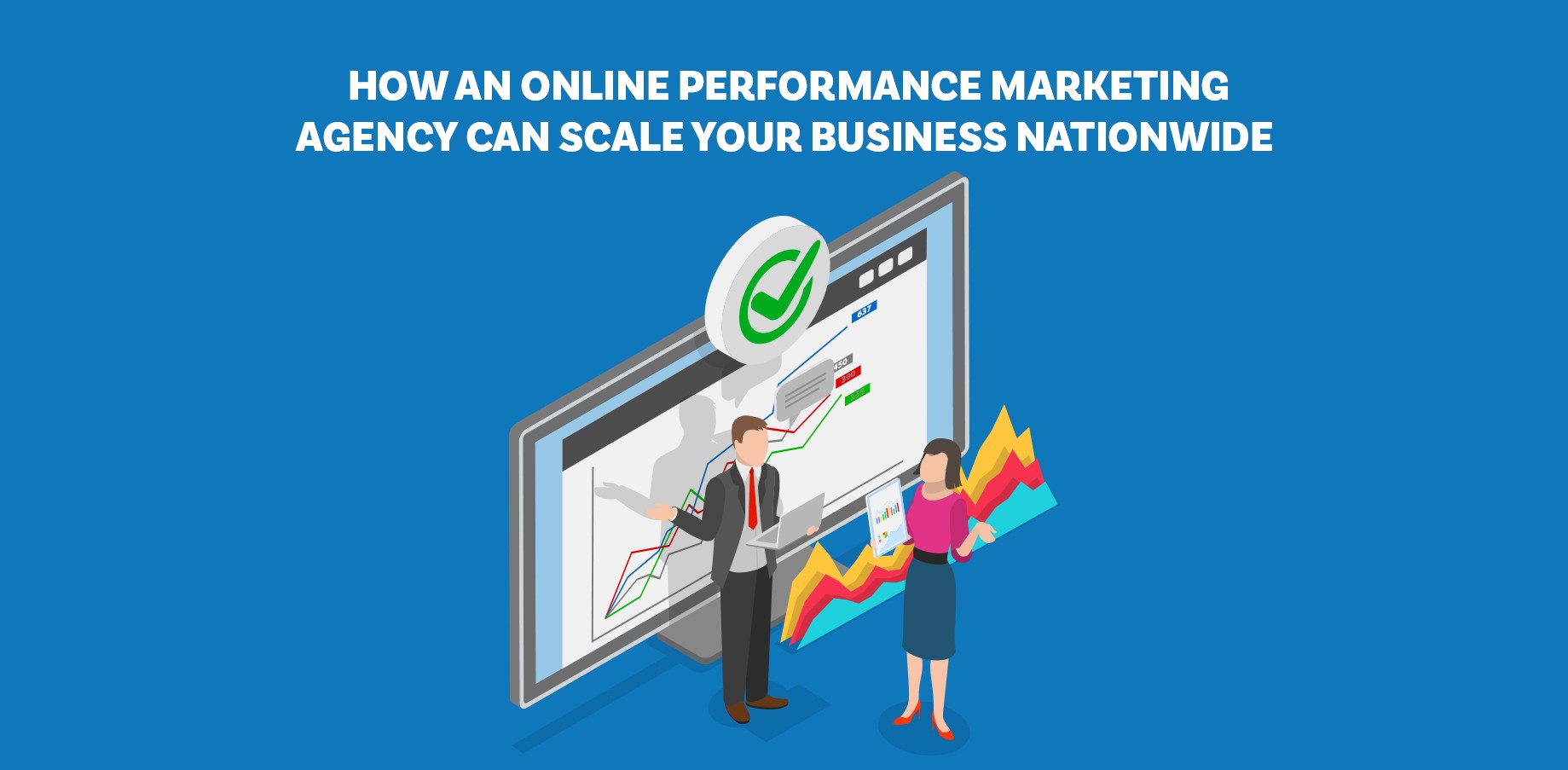
In today's competitive digital landscape, performance marketing for e-commerce has emerged as a game-changing strategy for businesses seeking measurable results and accelerated growth. This approach focuses on achieving specific outcomes, such as higher sales, improved ROI, and expanded market reach, making it a cornerstone of e-commerce growth strategies.
What is Performance Marketing?
Performance marketing is a goal-oriented strategy where businesses pay only for specific outcomes, such as clicks, leads, or sales, instead of general ad impressions. Performance marketing, unlike traditional advertising, offers precise metrics that enable businesses to accurately monitor their return on investment (ROI). For e-commerce businesses, this means a direct correlation between marketing spend and outcomes.
Why Performance Marketing is Essential for E-commerce Growth
Measurable Results: E-commerce thrives on data. Performance marketing enables businesses to track customer interactions, conversions, and revenue with tools like Google Analytics and Facebook Ads Manager. This data helps optimize campaigns for better ROI in e-commerce marketing.
Cost Efficiency: By focusing on specific outcomes, businesses can allocate budgets more effectively. Instead of paying for ads that may or may not convert, performance marketing ensures every dollar spent contributes to the goal.
Scalability: Performance-driven campaigns can be scaled easily based on what works. For instance, if a particular campaign drives high sales, increasing the budget amplifies the results, fueling performance-driven e-commerce expansion.
Targeted Reach: With tools like retargeting and audience segmentation, performance marketing ensures e-commerce businesses reach the right audience at the right time. This precision targeting boosts conversion rates, leading to sustainable growth.
Strategies for Successful Performance Marketing in E-commerce
To maximize the benefits of performance marketing, e-commerce businesses should implement the following strategies:
Leverage Paid Advertising
Google Ads and Facebook Ads offer robust targeting capabilities to efficiently reach potential customers. By leveraging high-converting keywords like "buy now" or "limited-time offer," businesses can draw in customers ready to make a purchase.
Invest in Affiliate Marketing
Affiliate marketing allows businesses to partner with influencers or bloggers who promote their products. These partners only earn a commission for actual sales, ensuring a high ROI.
Optimize for Mobile Users
With most e-commerce traffic coming from mobile devices, creating mobile-friendly ads and landing pages is essential. A seamless mobile experience can significantly improve conversion rates.
Use Retargeting Campaigns
Retargeting is an effective approach to re-engage visitors who left without completing a purchase. Personalized ads featuring the products they viewed earlier can entice them to return and complete their transaction.
Analyze and Adapt
Performance marketing relies on continuous improvement. Regularly analyzing campaign metrics and adjusting strategies ensures better outcomes over time. Tools like heatmaps and conversion tracking can provide deeper insights into user behaviour.

Case Study: Performance Marketing in Action
Consider an e-commerce store selling fitness apparel. By implementing performance marketing for e-commerce, they focused on social media ads targeting young adults interested in fitness. Retargeting ads were shown to users who abandoned their carts, leading to a 25% increase in sales. Additionally, they partnered with fitness influencers through an affiliate program, driving another 15% in revenue. This holistic approach helped the store achieve significant growth within three months.
Measuring Success: The Role of ROI
The ultimate goal of performance marketing is to ensure a positive ROI in e-commerce marketing. To measure success, businesses should track metrics such as:
Customer Acquisition Cost (CAC): How much does acquiring a new customer cost?
Return on Ad Spend (ROAS): Revenue generated per dollar spent on ads.
Conversion Rates: The proportion of users who complete the intended action.
By closely monitoring these metrics, businesses can refine their strategies for continued performance-driven e-commerce expansion.
Conclusion
Performance marketing for e-commerce is not just a trend; it's necessary for businesses aiming for sustainable growth in a competitive market. By leveraging data, focusing on ROI, and continuously optimizing strategies, e-commerce businesses can achieve unprecedented success. In the ever-evolving digital marketplace, businesses that embrace performance marketing will maintain a competitive edge, benefiting from precise, measurable, and scalable strategies.
Embrace performance marketing today and unlock the full potential of your e-commerce business.
Reviewed by: TechInfinity Content Team
Last Updated:
This article follows our Editorial Policy and Content Review Process to ensure accuracy and relevance.