Marketing is the backbone of any business, but the marketing approach has evolved significantly over the years. Traditional marketing methods, which include television, radio, print media, and billboards, were once the primary way businesses reached their audience. However, the rise of digital technologies has given birth to performance marketing services, a data-driven, ROI-focused marketing approach that ensures businesses pay only for measurable results.
A Comparison of Performance vs. Traditional Marketing Approaches
Traditional Marketing
Traditional marketing relies on mass media to deliver brand messages to a broad audience. The major characteristics of traditional marketing include:
Fixed Costs: Advertisers pay upfront for placements, regardless of performance.
Limited Tracking: While some metrics like TV ratings and circulation numbers exist, they do not provide deep insights into customer behavior.
Brand Awareness Focused: The primary goal is to create brand recall rather than direct sales.
Long-Term Campaigns: Traditional campaigns require significant time and resources before showing results.
Difficult ROI Measurement: Since customer interactions are not directly tracked, measuring return on investment accurately is challenging.
Performance Marketing Services
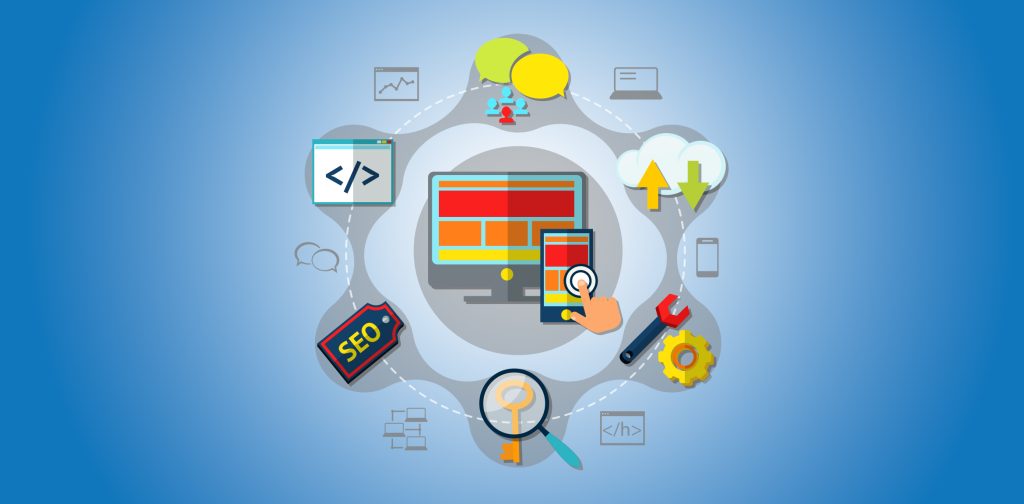
On the other hand, performance marketing is a data-driven marketing strategy that ensures businesses pay only when a specific action is completed, such as a sale, lead generation, or website visit. Key characteristics of performance marketing include:
Pay-for-Results Model: Businesses only pay for measurable actions (e.g., clicks, leads, conversions).
Advanced Analytics & Tracking: Real-time tracking of customer behavior allows businesses to optimize their campaigns dynamically.
Highly Targeted Campaigns: Advertisers use digital tools to target specific audiences based on demographics, behavior, and interests.
Immediate & Measurable ROI: The effectiveness of campaigns can be analyzed through performance indicators like cost per acquisition (CPA) and return on ad spend (ROAS).
Agility & Scalability: Real-time campaigns can be adjusted based on performance, making them more flexible than traditional marketing.
Comparing these two approaches, performance marketing provides a more strategic, cost-effective, and measurable way to reach potential customers.
In this blog, we’ll explore the key differences between traditional and performance marketing, how data-driven campaigns maximise marketing spend, and real examples of businesses that have seen increased revenue through performance marketing.
How Data-Driven Campaigns Maximize Marketing Spend
One of the most significant advantages of performance marketing services is their reliance on data analytics. Businesses no longer rely on assumptions; instead, they can leverage real-time data to optimize their advertising efforts. Here’s how data-driven campaigns help maximize marketing spend:
1. Targeted Audience Segmentation
Unlike traditional marketing, which broadcasts messages to a general audience, performance marketing enables businesses to target specific audience segments based on demographics, interests, online behavior, and purchase history. This ensures that marketing budgets are spent only on potential customers more likely to convert.
2. Real-Time Optimization
Performance marketing platforms, such as Google Ads, Facebook Ads, and programmatic advertising, provide real-time data on campaign performance. Marketers can track impressions, click-through rates (CTR), conversions, and return on investment (ROI). If a campaign isn’t performing well, adjustments can be made instantly, ensuring optimal budget allocation.
3. Cost-Effectiveness
Since advertisers only pay for actual performance (e.g., clicks, sales, or leads), marketing spend is highly efficient and goal-oriented. Traditional marketing, on the other hand, requires businesses to invest a fixed amount without any guarantee of results.
4. Multi-Channel Integration
Performance marketing isn’t restricted to a single platform. Businesses can integrate their campaigns across multiple digital advertising channels, including:
Search Engine Marketing (SEM) (Google Ads, Bing Ads)
Social Media Advertising (Facebook, Instagram, LinkedIn, TikTok)
Affiliate & Influencer Marketing
Native Advertising & Programmatic Ads
This multi-channel approach ensures maximum reach and engagement, improving conversion rates and ROI.

Real Examples of Increased Revenue with Performance Marketing
Example 1: E-Commerce Business Scaling with Google Ads
A mid-sized e-commerce brand selling organic skincare products struggled with low sales using traditional marketing tactics. By switching to performance marketing strategies and running Google Shopping Ads, they were able to:
Increase website traffic by 120%
Lower cost per acquisition (CPA) by 35%
Achieve a 300% increase in online sales in just six months
Example 2: B2B SaaS Company Generating High-Quality Leads
A SaaS company offering cloud-based HR solutions invested heavily in offline advertising (magazines, trade shows, and radio ads) but saw limited results. After transitioning to LinkedIn Ads and Google Search Ads, they achieved:
A 250% increase in high-quality leads
A 60% reduction in customer acquisition costs (CAC)
Improved sales conversion rates due to targeted ad placements
Example 3: Local Service Business Utilizing Facebook Ads
A local home cleaning service relied on print advertisements and local radio ads but found it difficult to track conversions. By using Facebook and Instagram Ads with retargeting, they:
Increased bookings by 180%
Reduced advertising costs by 40%
Expanded their customer base beyond their initial service area
These case studies showcase the effectiveness of performance marketing services in driving higher ROI and measurable business growth.
Final Thoughts
In today’s highly competitive digital landscape, performance marketing services provide a more effective, data-driven approach than traditional marketing. Businesses that leverage ROI-focused marketing strategies can maximize their marketing spend, gain actionable insights, and drive measurable business outcomes.
While traditional marketing still has its place for brand awareness and large-scale outreach, the shift towards performance marketing ensures that companies can optimize their advertising budget while achieving real, trackable results.
To scale your business with performance marketing strategies, focus on targeted audience segmentation, real-time analytics, and multi-channel advertising to achieve the best possible ROI.
Reviewed by: TechInfinity Content Team
Last Updated:
This article follows our Editorial Policy and Content Review Process to ensure accuracy and relevance.